Инструктор по катанию на лыжах in 2024: what's changed and what works
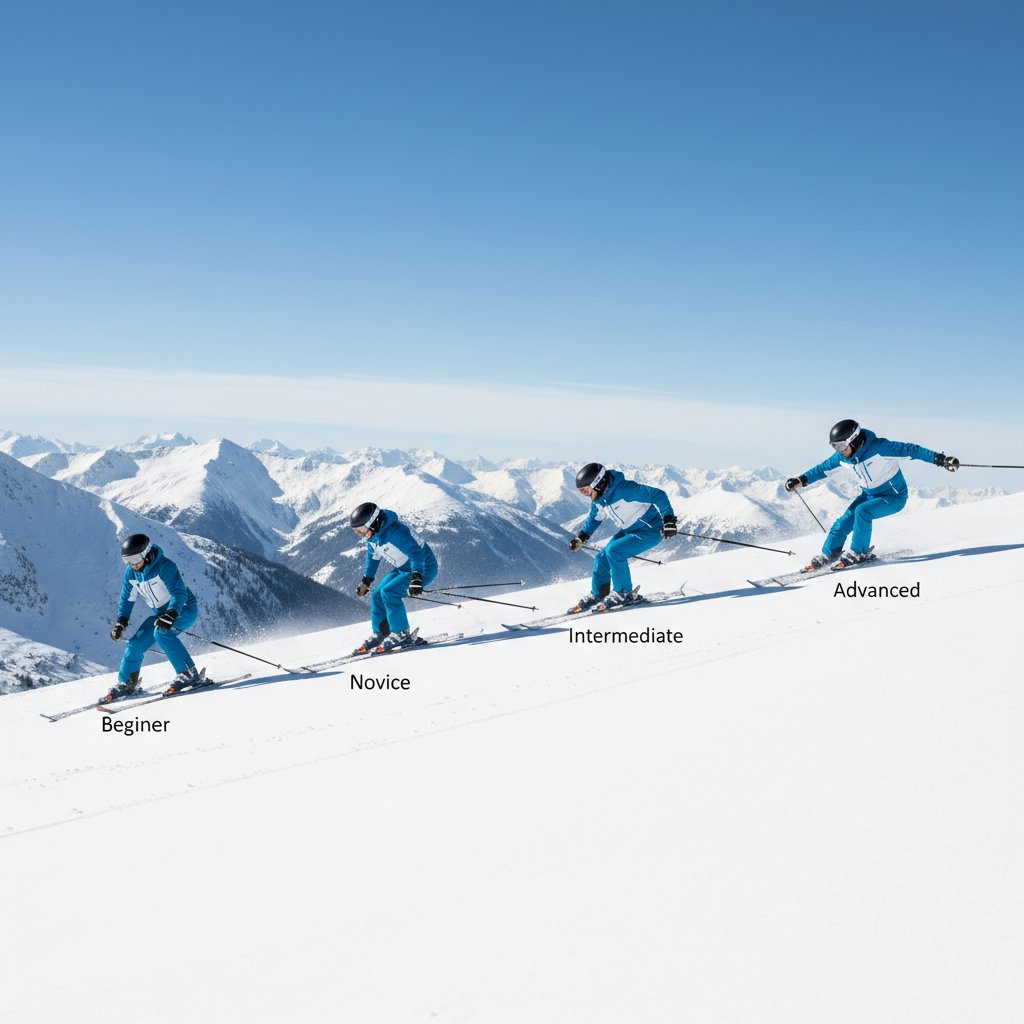
Ski Instruction in 2024: What's Changed and What Works
The ski instruction world has evolved faster in the past few years than in the previous two decades combined. Between tech innovations, changing client expectations, and a whole new generation of learners hitting the slopes, being a ski instructor in 2024 looks radically different from what it was even in 2019. Let's break down what's actually working on the mountain right now.
1. Video Analysis Has Become Non-Negotiable
Gone are the days when verbal feedback alone cut it. Today's students expect to see themselves in action, and honestly? It's transformed how people learn. Instructors who use quick smartphone clips during lessons report their students grasp concepts about 40% faster than with traditional methods alone.
The sweet spot is filming 15-second clips every 20 minutes, then reviewing during brief breaks. Apps like Coach's Eye or even just your phone's slow-motion feature work wonders. You're not making a documentary—just capturing that weight distribution issue or showing why their turns feel awkward. Students seeing their actual hip position versus what they thought they were doing creates those lightbulb moments that stick.
2. Dynamic Pricing Actually Increases Your Bookings
Fixed-rate lessons are dying. Instructors who've switched to surge pricing during peak times (think weekends and holidays) while offering discounted midweek slots report 25-30% higher overall revenue. More importantly, they're filling those previously dead Tuesday and Wednesday slots.
Here's what works: charge $180-220 for weekend private lessons, but drop to $120-140 for weekday mornings. You'll attract remote workers, retirees, and savvy skiers who want premium instruction without the premium price tag. The key is being transparent about it—nobody likes feeling gouged, but everyone understands basic supply and demand.
3. Specialization Beats Generalization Every Time
Trying to be everything to everyone? That's a race to the bottom. The instructors crushing it in 2024 have picked a lane and owned it. Whether it's adaptive skiing, backcountry technique, or working exclusively with anxious intermediates, specialization commands higher rates and better reviews.
Take adaptive instruction as an example. There's a massive shortage of qualified instructors, and those with proper certification can charge 50-70% more than general instructors. Same goes for avalanche safety and backcountry skills—as more skiers venture off-piste, they're willing to pay $300+ for a half-day with someone who knows their stuff. Pick something you're passionate about and become the go-to person for it.
4. The WhatsApp/Text Communication Revolution
Email is dead for coordinating lessons. Students under 40 especially expect quick text-based communication. Instructors who use WhatsApp Business or similar messaging platforms report dramatically fewer no-shows and last-minute cancellations.
The game-changer is sending a quick message the evening before: "Hey Sarah, looking forward to tomorrow! Meet at 9am by the gondola. Current conditions are fantastic—12 inches of fresh powder overnight. Dress warm!" This simple touch increases show-up rates and starts the lesson relationship before you even meet. Plus, students can easily send you questions about what to bring or where exactly to meet.
5. Group Lessons Need a Complete Makeover
The old model of cramming 8-10 strangers together for a two-hour group lesson? Students hate it, and it shows in the reviews. Progressive instructors have shifted to semi-private groups of 3-4 people maximum, often friends or families who book together.
Charge each person $80-100 instead of the traditional $60 for large groups. You make similar money with fewer headaches, and students get way more attention. Better yet, offer "specialty clinics" focusing on one skill—mogul technique, powder skiing, carving improvement. These 90-minute focused sessions with 4 participants at $95 each sell out because people see the specific value.
6. Certification Still Matters (More Than Ever)
With more independent instructors working outside traditional ski schools, certification has become the trust signal that separates pros from enthusiastic amateurs. PSIA Level 2 or equivalent international certification isn't just a credential—it's worth roughly $40-60 more per hour in what clients will pay.
The investment pays for itself within a season. Level 1 certification runs around $800-1000, Level 2 another $1200-1500. But certified instructors book 3-4 times more lessons through platforms like Ski Butlers or independent channels because clients trust the credential. Plus, many resorts require it for accessing certain terrain with students.
7. The Post-Lesson Follow-Up That Converts
Want repeat bookings? Send a personalized follow-up within 24 hours with three specific things the student improved and two drills to practice. This takes five minutes but creates loyalty that lasts seasons.
Include a short video demonstrating one of those drills. Students share these with friends, tag you on social media, and book their next lesson before the season ends. Instructors doing this consistently report that 60-70% of their bookings come from repeat clients or referrals, versus constantly hunting for new business.
The ski instruction landscape keeps shifting, but the fundamentals remain: genuine connection, clear progression, and adapting to how people actually want to learn. The instructors thriving in 2024 aren't necessarily the most technically skilled—they're the ones who've figured out how to blend traditional teaching with modern expectations and tools.