Frequently Asked Questions

Find answers to common questions about ski instruction, lessons, and getting started on the slopes.

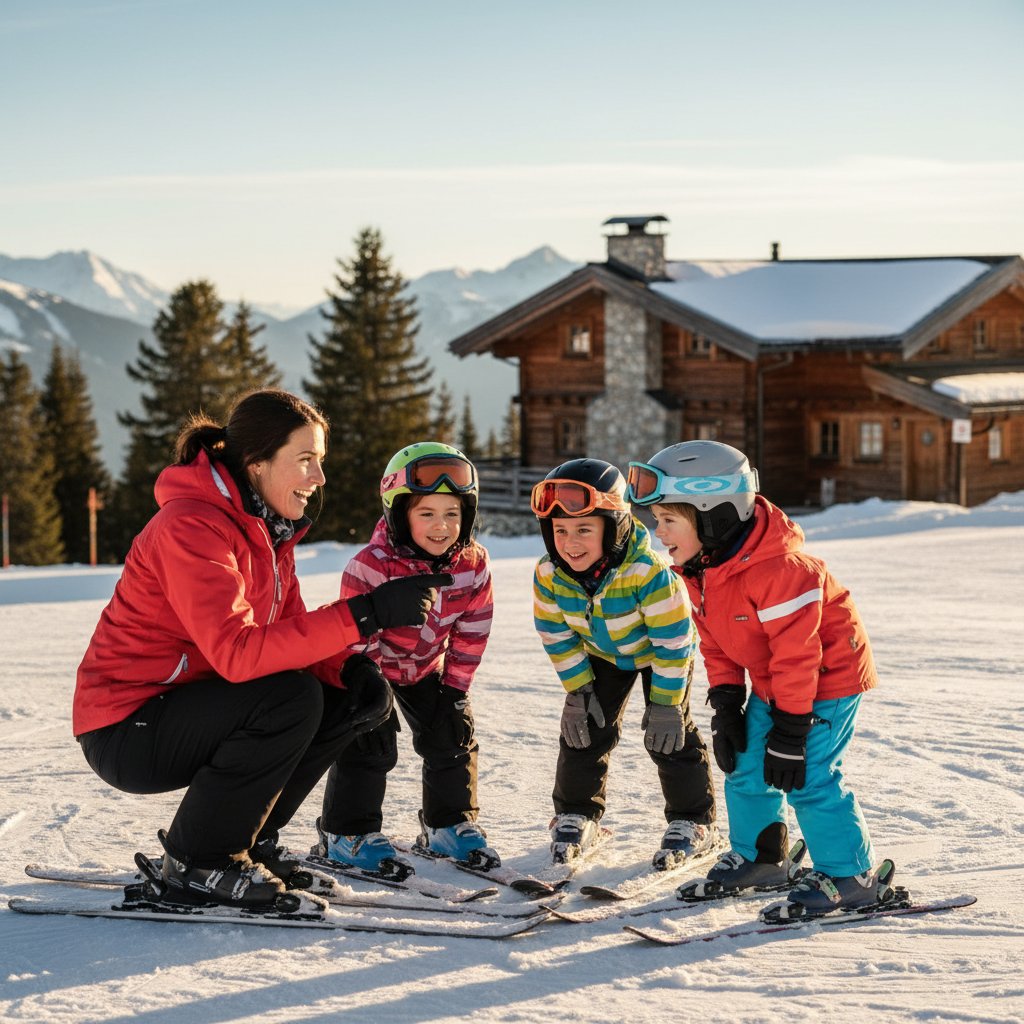
Children can typically begin skiing from around 3 to 4 years old, depending on their physical development and coordination. At this age, they have sufficient balance and motor skills to grasp basic movements. We offer specialized programs for young learners that focus on making the experience fun and engaging through games and gentle progression.

For very young beginners, we recommend starting with short 30-minute sessions to maintain their attention and energy levels. Our instructors use child-friendly teaching methods and equipment sized appropriately for smaller bodies, ensuring safety and building confidence from the first slide down the nursery slope.

You don't need to own equipment when you're just starting out. Most ski centres in the UK offer rental packages that include skis, boots, poles, and helmets. This allows you to try the sport without a significant initial investment. Rental equipment is regularly maintained and available in various sizes to suit different heights and skill levels.

As you progress and decide to continue with the sport, purchasing your own equipment becomes worthwhile. Your instructor can provide guidance on selecting appropriate gear based on your skiing style, ability level, and budget. Properly fitted equipment enhances comfort, control, and overall performance on the slopes.

Most beginners can grasp fundamental techniques and navigate gentle slopes after 3 to 5 days of instruction. This timeframe allows you to learn stopping, turning, and controlling your speed on easy terrain. Individual progress varies based on factors such as fitness level, previous experience with similar activities, and the frequency of practice.

Some students feel comfortable on green runs after just a few sessions, while others may need additional time to build confidence. Regular practice between lessons accelerates learning, and many people find that muscle memory develops quickly once basic movements are established. Consistency matters more than the total number of hours spent on skis.

Dress in layers to manage body temperature effectively. Start with thermal base layers that wick moisture away from your skin, add an insulating mid-layer like fleece, and finish with a waterproof outer jacket and trousers. Avoid cotton clothing as it retains moisture and can leave you feeling cold and uncomfortable.

Essential accessories include waterproof gloves, a warm hat or helmet liner, ski socks (not thick woolly ones), and sunglasses or goggles for eye protection. Indoor ski centres maintain cooler temperatures than you might expect, so proper clothing is necessary even in artificial environments. Bring a small backpack for extra layers and personal items.

Private lessons offer personalized attention and allow the instructor to tailor the pace and content specifically to your needs. This format works well for those with specific goals, limited time, or who prefer one-on-one guidance. You'll receive immediate feedback and can progress through techniques at your own speed without waiting for others.

Group lessons provide a social learning environment and cost less per person. Many students enjoy the camaraderie and find motivation in learning alongside others at similar levels. Groups typically contain 4 to 8 participants, allowing the instructor to demonstrate techniques while still offering individual corrections. Both formats have merit depending on your learning style and objectives.

Skiing is accessible to people of varying fitness levels. While better physical condition helps with stamina and recovery, beginners don't need to be athletes to start learning. The sport engages multiple muscle groups, particularly legs, core, and arms, so you'll naturally build strength and endurance as you practice.

We recommend some basic preparation before your first lesson, such as walking, cycling, or simple leg exercises to strengthen quadriceps and improve balance. During lessons, we work at a pace that suits your current fitness level, with regular breaks to prevent fatigue. Many students find that their fitness improves noticeably after just a few weeks of regular sessions.

Skiing uses two separate skis and poles, with your body facing forward down the slope. This stance feels more natural for many beginners and allows for easier initial movement. Snowboarding involves standing sideways on a single board without poles, requiring different balance and edge control techniques.

Many people find skiing easier to pick up initially but harder to master at advanced levels, while snowboarding has a steeper learning curve at first but progression can feel faster once basics are established. Both sports offer unique thrills and challenges. Your choice might depend on personal preference, physical considerations, or which activity appeals more to your sense of adventure.

Beginner sessions start with equipment familiarization and basic safety information. We then move to flat terrain where you'll learn to walk in skis, maintain balance, and understand how the equipment responds to your movements. Next comes the introduction to sliding on gentle slopes, practicing the wedge position for speed control and stopping.

As confidence builds, we introduce turning techniques and teach you to link turns together smoothly. Each lesson includes demonstrations, guided practice, and constructive feedback. Sessions typically last between 60 and 90 minutes, providing enough time to learn new skills without causing excessive fatigue. We ensure you master each stage before progressing to more challenging terrain.

For outdoor locations, we monitor weather forecasts closely and will contact you if conditions become unsafe for instruction. Heavy snowfall, strong winds, or extremely low visibility may require rescheduling. Indoor ski centres operate year-round regardless of external weather, making them reliable alternatives for consistent training.

When lessons must be postponed due to weather, we offer flexible rescheduling options or credit toward future sessions. Safety always takes priority over maintaining schedules. Light snow or overcast conditions don't typically interfere with lessons and can actually provide excellent learning opportunities as you experience varied slope conditions.

We run special programs during half-term breaks, Easter holidays, and summer months. These intensive courses allow students to make rapid progress through daily sessions over several consecutive days. Holiday programs often include themed activities and social elements that make learning more engaging for younger participants.

Booking early is advisable as holiday slots fill quickly, particularly for popular time periods. We offer both morning and afternoon sessions to accommodate different family schedules. Adult learners also appreciate holiday courses as they provide an opportunity to focus on skill development without juggling work commitments.

You're ready for intermediate instruction when you can confidently control your speed, make consistent parallel turns on blue runs, and stop safely in various snow conditions. Comfort with slightly steeper terrain and the ability to link turns smoothly without reverting to the wedge position are good indicators of readiness.

Your instructor will assess your technique and provide honest feedback about progression. Rushing to advanced terrain before mastering fundamentals can hinder development and increase injury risk. Intermediate lessons focus on refining technique, introducing carving, and building skills for red runs and varied terrain. Everyone progresses at their own pace, so don't compare yourself to others.

All our instructors hold recognized qualifications and maintain current first aid certifications. We conduct thorough safety briefings at the start of each session, covering slope etiquette, lift procedures, and emergency protocols. Helmets are mandatory for all participants under 18 and strongly recommended for adults.

We maintain appropriate student-to-instructor ratios to ensure adequate supervision and immediate assistance when needed. Lessons take place on terrain suitable for the group's ability level, and we adjust plans based on current slope conditions and participant fatigue. Emergency contact information is collected during registration, and venues have medical facilities or protocols for handling injuries.

Many people with previous injuries successfully learn to ski with appropriate precautions and modifications. We ask you to disclose any medical conditions or past injuries during registration so your instructor can adapt teaching methods accordingly. Certain injuries, particularly to knees, ankles, or back, require extra attention and possibly medical clearance before starting.

Your instructor can recommend specific exercises or techniques that minimize stress on vulnerable areas. Some students benefit from additional protective equipment or starting with very gentle progression. Open communication about pain or discomfort during lessons is essential. We prioritize your wellbeing and would rather adjust the program than risk aggravating an existing condition.

Lesson fees cover professional instruction, progress assessment, and teaching materials or demonstrations needed during the session. The price includes access to designated teaching areas and lift passes for the duration of your lesson time. What's typically not included are equipment rentals, full-day lift passes beyond lesson hours, and personal items like clothing or accessories.

Some packages bundle instruction with equipment hire or slope access at discounted rates, which can offer better value for beginners. We provide detailed pricing information upfront with no hidden fees. Multi-lesson packages often reduce the per-session cost and show commitment to your development. Contact us for current rates and available package options that suit your goals and budget.

Ski instructor teaching on mountain slope

About ResourceBuildBoard

ResourceBuildBoard began in 2015 when three certified instructors decided to create a training service focused on practical skill development rather than rushed group sessions. We started with weekend courses in the Scottish Highlands, working with 8-12 students per season.

Today, we operate across five UK mountain regions and employ 14 qualified instructors, each holding BASI Level 2 or higher certification. Our team includes former competitive skiers and specialists in adaptive techniques for various fitness levels.
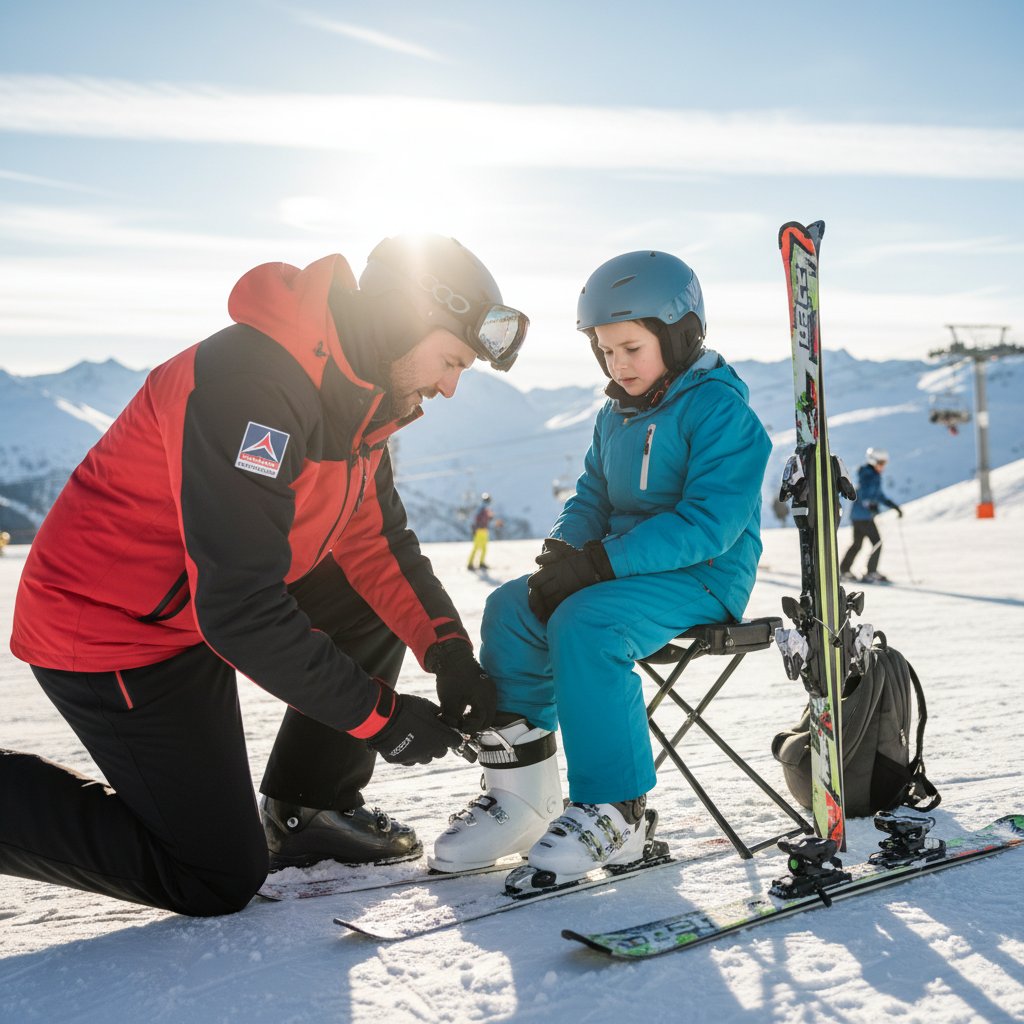
Professional ski instruction session

Our Approach

We limit group sizes to maximum 6 participants, allowing instructors to address individual technique issues. Sessions run for 90 minutes minimum, providing sufficient time for practice and feedback cycles.

Each instructor completes annual safety training and holds current first aid certification. We assess snow conditions daily and adjust lesson plans accordingly, prioritizing student safety over schedule adherence.

What We Offer

  • Structured progression from basic snowplough to parallel turns
  • Video analysis available for technique refinement
  • Equipment guidance based on skill level and budget
  • Flexible scheduling including weekday and weekend options
14 Certified Instructors
2,400+ Students Trained
9 Years Operating