The real cost of Инструктор по катанию на лыжах: hidden expenses revealed
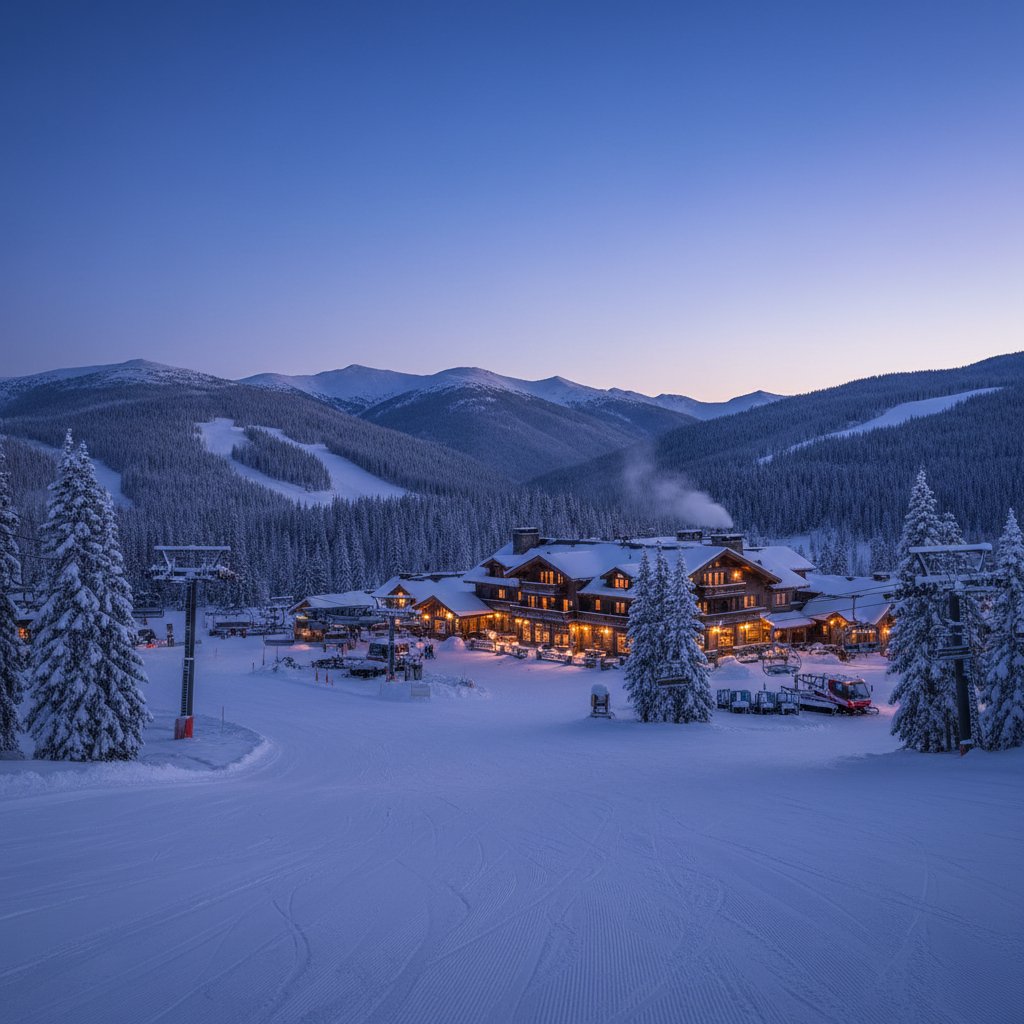
Sarah thought she'd nailed it. After three winters of teaching friends on the bunny slopes, she'd finally landed a spot as a certified ski instructor at a mid-sized resort in Vermont. The advertised rate? $28 per hour. She did the math in her head—working 30 hours a week during peak season meant serious money, right?
Three months later, Sarah was eating ramen noodles and questioning her life choices.
The ski instruction industry has a dirty little secret: what you see on your paycheck is just the tip of the iceberg. The real financial picture for ski instructors involves a tangled web of expenses that can devour 40-60% of your gross income before you've even bought groceries.
The Certification Money Pit
Let's start with the elephant in the lodge. Getting certified isn't a one-and-done situation.
Level 1 certification through PSIA (Professional Ski Instructors of America) runs about $550-650, including exam fees and materials. Sounds manageable. But here's the kicker—most resorts want Level 2 instructors, which means another $800-1,000. And you're not done. Maintaining certification requires continuing education credits, typically costing $200-400 annually.
My buddy Jake, who's been teaching in Colorado for seven years, put it bluntly: "I've spent roughly $4,500 on certifications and continuing ed. That's like working 160 hours just to break even on paper credentials."
The Hidden Training Tax
Most resorts require instructors to attend pre-season training. Unpaid, of course. We're talking 3-5 days of mandatory attendance where you're paying for accommodation, food, and gas while earning exactly zero dollars. For instructors traveling from out of state, this can mean dropping $500-800 before teaching your first lesson.
Equipment: The Never-Ending Expense
You can't show up to teach in rental gear. That's like a chef using plastic utensils.
A decent ski setup—skis, bindings, boots—starts around $800 if you're shopping sales. But here's what nobody mentions: instructors demolish equipment faster than recreational skiers. You're out there 5-6 days a week, often on hardpack or ice, demonstrating techniques that beat the hell out of your gear.
Realistic replacement cycle? Every 2-3 seasons for skis, every 3-4 for boots if you're lucky. That's roughly $400-500 per year in equipment costs when you average it out.
Then there's clothing. Technical outerwear that can handle 40 days on the mountain costs real money. Budget $600-1,200 for a jacket and pants that'll last, plus base layers, gloves (you'll lose or destroy multiple pairs), goggles, and the professional touches like matching resort gear.
The Season Pass Paradox
Some resorts comp your pass. Many don't, or only provide limited access.
Emily, who teaches at a resort in Utah, faces this exact situation: "I get a pass for the mountain where I work, but if I want to ski anywhere else to improve my skills or just, you know, enjoy skiing, I'm paying out of pocket. That's another $600-900 for a multi-resort pass."
Professional development means skiing different terrain and experiencing various teaching environments. That costs money.
Living Near the Mountain Isn't Cheap
Ski towns have a housing crisis that makes urban rent look reasonable. A bedroom in a shared house near a decent resort? Try $800-1,400 per month. Studios and one-bedrooms easily hit $1,500-2,500.
The math gets brutal fast. If you're earning $28/hour but only getting 25 billable hours per week (thanks to cancellations, weather, and slow periods), that's $700 weekly before taxes. After housing, you're already down to $250-400 for everything else.
Transportation Adds Up
Mountain roads eat cars alive. Snow tires are mandatory—$600-800 for a set. Then there's increased fuel consumption, more frequent oil changes, brake replacements, and the general wear of winter driving. Conservative estimate: $150-250 monthly during ski season.
The Income Rollercoaster
Unlike a regular job, ski instruction income fluctuates wildly. Christmas week? You're printing money at 40+ hours. Mid-January on a Tuesday? Maybe 8 hours if you're lucky.
According to a 2023 survey by SnowPro magazine, the average ski instructor works only 18-24 weeks per year, with significant week-to-week variation. You need to budget for the lean times while capitalizing on peak periods.
Key Takeaways: The Real Numbers
- Initial investment: $2,000-3,500 for certification, gear, and training
- Annual recurring costs: $2,500-4,000 (equipment, continuing ed, housing premiums, transportation)
- Effective hourly rate: Often 30-40% less than advertised after expenses
- Break-even point: Most instructors need 2-3 seasons to recoup initial investments
- Off-season reality: You need another income source or serious savings
Does this mean becoming a ski instructor is a bad idea? Not necessarily. But go in with eyes wide open. The people who make it work either have supplemental income, work their way into full-time resort positions with benefits, or genuinely love it enough that the lifestyle outweighs the financial reality.
Sarah, by the way, is still teaching. She picked up summer work as a mountain bike guide and moved into a tiny studio with two roommates. She's making it work, but she'll tell you straight: "I do this because I love it, not because I'm getting rich. Anyone who tells you otherwise is either lying or independently wealthy."