Why most Инструктор по катанию на лыжах projects fail (and how yours won't)
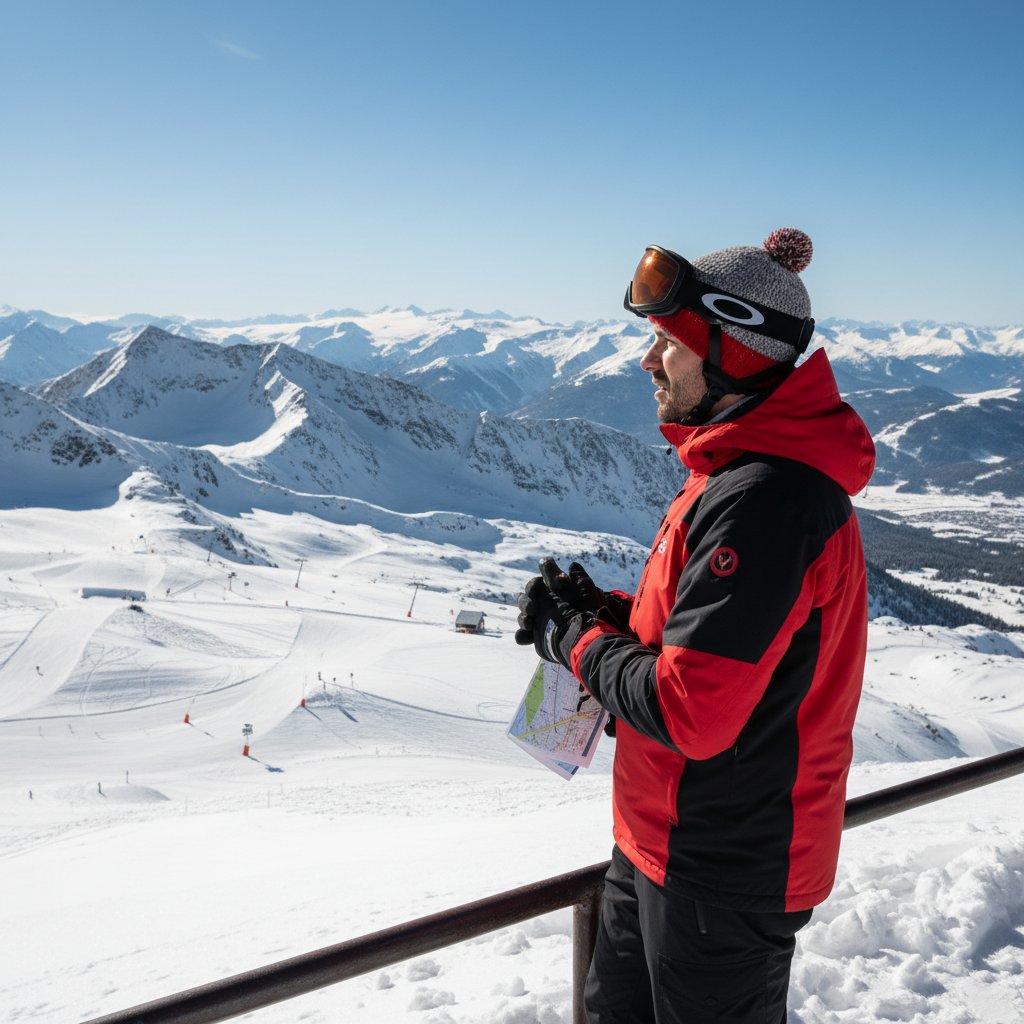
The Slope to Nowhere: Why Ski Instructor Ventures Crash Before They Peak
Picture this: You've spent three winters perfecting your parallel turns, earned your certification, and launched your ski instruction business with genuine excitement. Fast forward six months—you're scrambling for clients, burning through savings, and wondering if you should've just stayed on the resort payroll.
Sound familiar? Here's the brutal truth: roughly 60% of independent ski instruction businesses fold within their first two seasons. Not because the instructors can't teach. Not because there isn't demand. They fail because of three preventable mistakes that nobody talks about during certification courses.
The Triple Black Diamond of Failure
Mistake #1: The "Build It and They'll Come" Delusion
Most new ski instructors think their certification is their marketing strategy. Spoiler: it isn't.
Jake from Breckenridge learned this the hard way. PSIA Level 2 certified, fifteen years of teaching experience, stellar technique. He printed 500 business cards, created a Facebook page, and waited. His first season? Twelve clients total. He made $1,800 while spending $4,200 on insurance, marketing materials, and lift passes.
The reality? Your potential clients don't care about your certification level. They care about whether their kid will actually enjoy skiing instead of crying in the lodge. They want proof that booking you won't be a $400 mistake.
Mistake #2: Pricing Like You're Desperate (Because You Are)
Here's where things get messy. You see resort instructors charging $180 for a half-day private lesson. You think, "I'll undercut them at $75 and steal all their business!"
Congratulations. You just told the market you're worth half as much as the competition. Premium clients—the ones who book multiple lessons and refer their friends—avoid bargain instructors like icy moguls. Meanwhile, budget hunters will nickel-and-dime you into oblivion.
Sarah from Whistler started at $65 per hour. After two years of grinding, she raised her rates to $140. Know what happened? Her bookings increased by 30%. Turns out, pricing signals quality louder than any Instagram post ever will.
Mistake #3: Operating Like It's Still 1995
No online booking system. Payment by cash or check only. Lesson confirmations via phone tag. If your business operations belong in the pre-smartphone era, you're hemorrhaging potential clients.
Modern parents book their kid's ski lessons while waiting in line at Starbucks. If they can't reserve and pay within 90 seconds on their phone, they're booking someone else. Period.
Warning Signs Your Venture Is Heading Downhill
- You're spending more than two hours daily on administrative tasks that could be automated
- Your client acquisition cost exceeds $50 per booking (track this religiously)
- More than 40% of inquiries ghost you before booking
- You have no repeat clients from last season
- Your calendar has fewer than 15 lessons booked two weeks before peak season
The Recovery Run: Your Step-by-Step Fix
Step 1: Build Trust Before You Build Anything Else
Stop obsessing over your logo. Start collecting video testimonials from every single client. Not written reviews—actual humans on camera saying you transformed their vacation.
Create a simple website with three things: your face, your story (why you're obsessed with teaching skiing), and those video testimonials. That's 80% of your credibility right there.
Step 2: Price for Profit, Not Popularity
Calculate your actual costs: insurance ($800-1,200 annually), lift passes ($150-300 per day if you're not resort-affiliated), transportation, equipment maintenance, taxes, and the big one—your time.
If you need to earn $60,000 annually and can realistically teach 300 hours per season, you need to charge at least $200 per hour. Not $75. Not $120. Minimum $200, and that's before accounting for cancellations and no-shows.
Step 3: Automate Everything That Isn't Teaching
Implement online booking software. Acuity, Calendly, or Pike13 cost $15-50 monthly and eliminate 90% of scheduling headaches. Set up automatic payment processing. Create email templates for confirmations, weather updates, and post-lesson follow-ups.
Your goal: reduce administrative time from hours to minutes daily.
Step 4: Specialize Until It Hurts
Don't be "a ski instructor." Be "the instructor who teaches anxious adult beginners" or "the technique specialist for intermediate skiers stuck on blues." Specific positioning attracts motivated clients willing to pay premium rates.
Keeping Your Business on the Groomed Run
Every Sunday during the season, spend 30 minutes reviewing your numbers. How many lessons booked? Average transaction value? Client acquisition cost? Repeat rate?
Before season starts, line up at least 40% of your target lessons through early-bird discounts or returning client pre-bookings. Going into December scrambling for business is a recipe for panic pricing and desperation marketing.
Most importantly, remember this: teaching skiing is the easy part. Running a sustainable business requires different skills entirely. Master both, and you won't become another cautionary tale whispered in the lift line.